 | WARNING: Hydrogen peroxide is very nasty stuff and can cause severe chemical burns to skin and can also cause blindness if splashed into the eyes, if handled incorrectly. Usually, you can't buy stronger than 12% over the counter, as this is the maximum strength sold to the public and is used to bleach hair. If you want to try this, it's recommended to wear goggles and gloves to protect yourself. |
Retrobrite (retrobright) is a chemical mixture used to remove yellowing from acrylonitrile butadiene styrene (ABS) plastic computer and electronics case. The original meaning has been expanded, so now "retrobrite" often refers to indicate any H2O2 based process used to remove yellowing from ABS plastics. Yellowing in ABS plastic occurs when it is exposed to UV light, among other factors, which causes photo-oxidation of polymers that breaks polymer chains and causes the plastic to yellow and become brittle. After restoring the color, some people opt to use 303 Aerospace Protectant to add UV protection to the outside of the shell - though it is unknown how well it holds up in the long-term.
A website dedicated to the retrobriting process can be found at retr0bright.com.
Composition
Retrobright consists of hydrogen peroxide and a source of UV Light (usually either from the sun, or via an artificial source such as a UV Lamp). Generally, retrobriting recipes fall into two categories:
- Cream-based methods, which involve spreading a cream on the surface or submerging it in liquid of the same ingredients, often using a small amount of an "active oxygen" laundry booster TAED as a catalyst and/or a gelling agent (Xantham Gum, Arrowroot, etc) to thicken the mixture to reduce the total amount of solution required.
- Vapor-based method, which is a newer method that does not require direct contact of any material on the item, which may help prevent brittleness being introduced.
Note that you should not retrobrite any item that contains exposed copper or platings such as nickel, silver, or brass, as hydrogen peroxide will interact with them.
Materials
- Active agent (required for all methods)
- Hydrogen Peroxide H2O2 (recommended percentage different by recipe)
- If buying hydrogen peroxide from a pharmacy or hairdressers, check to make sure it has no other additives. All you want is diluted hydrogen peroxide (typically 3% to 12%). Additives may lead to unpredictable results.
- Hydrogen Peroxide (H2O2)-based hair bleaching salon creams available at beauty supply stores can also be used as a ready-made mix and are labeled by Volume. "40 Volume Hair Developer" (cream, gel, or liquid) contains the recommended 12% peroxide solution (cream method only).
- Hydrogen Peroxide H2O2 (recommended percentage different by recipe)
- UV light source (required for all methods)
- UV Lamp - Preferable, as it is better controlled
- The Sun - Only recommended on very sunny days without clouds, however the sun is more likely to have a bleaching effect on colored plastics
- Catalyst (cream method only)
- Using a catalyst is optional, but in theory will increase the bleaching properties of the H2O2.
- Tetraacetylethylenediamine (TAED) - "active oxygen" laundry booster (OxyClean, Oximagic, etc) - TAED and hydrogen peroxide react to form peroxyacetic acid, a more efficient bleaching agent.
- Using a catalyst is optional, but in theory will increase the bleaching properties of the H2O2.
- Gelling Agents (cream method only)
- Gelling agents are used to thicken the solution, they are NOT required, but may allow more even application.
- Arrowroot
- Xantham Gum
- Gelling agents are used to thicken the solution, they are NOT required, but may allow more even application.
Effectiveness
In general, retrobriting is not a permanent process. Both cream and vapor methods immediately improve the looks in the short-term, but will begin the yellowing process again. Different plastics will behave differently, particularly when being exposed to different levels of oxygen, moisture, and UV light; but in general, plastics will inevitably degrade again.
Short-term
The short-term effectiveness of retrobriting is immediately obvious, and dependent on method used and amount of time treated.
Vapor method
- Macho Nacho Productions: Game Boy, transparent Game Boy Advanced, PC-Engine and controller after 6 hours of treatment - Great improvement
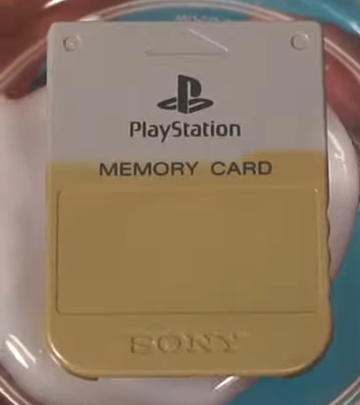
(credit to Philip Bryden)
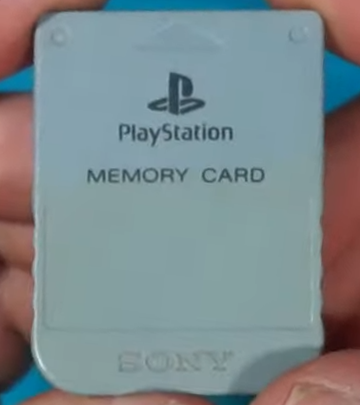
(credit to Philip Bryden)
Long-term
The long-term effectiveness of retrobriting is less documented. Note that the vapor method was developed in 2022, so very long-term results are not available.
Vapor method
(credit to Philip Bryden)
(credit to Philip Bryden)
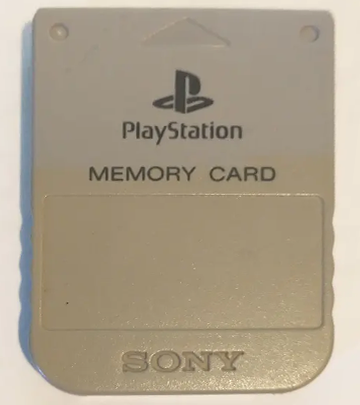
(credit to Philip Bryden)
Cream method
- 10 year comparison of Dreamcast (cream method) - Streaking very visible, untreated portions of the same piece of plastic were whiter than the parts treated with retrobrite.
- 3 year comparison of Game Boy (cream method) - Stored out of sunlight, very yellowed
- 2 year comparison of VIC20 (cream method) - Slight yellowing
Methods Compared
Methods in order of most to least effective. Tests by The Retro Collective[1] show that submerging plastics and covering them with creams are equally effective, so they are lumped into one "cream method" category, a sentiment echoed by early tests as documented by retr0bright.com. Many of these items were directly tested in a video by The 8-Bit Guy[2].
- Submerged in 12% hydrogen peroxide with UV light at 120°F for 6 hours — Far more effective than either alone [1]
- Submerged in 12% hydrogen peroxide with UV light for 6 hours[1]
- Submerged in 12% hydrogen peroxide diluted with water at 160°F for 4 hours[2]
- Submerged in 3% hydrogen peroxide with UV light[2]
- Sodium percarbonate with UV light — Seems to work equally well as 3% hydrogen peroxide.[2]
- Ozone gas with UV light — Less effective than cream or vapor methods, at least in a 4 hour timeframe.[2]
- Hydrogen gas using electrolysis — Not effective in most cases, at best very very ineffective[3]
- Ozone gas — No discernable difference from control.[2]
- GUNK Engine Cleaner / GUNK Engine Degreaser with UV light — No discernable difference from control.[2]
- Vinyl Dye — Gives it a painted appearance rather than restoring its original appearance.[2]
Note that no direct comparison has been found online for the following:
- Vapor method with UV light (12% peroxide) versus cream methods
- Vapor method with and without heat applied
- UV light alone versus UV light with cream or vapor method
- UV light with heat versus UV light with cream or vapor method
Vapor Method (Recommended)
Simon Lock's Vapor Method Recipe
Simon Lock shared a different way to retrobrite commonly called the "vapor method". Instead of covering or submerging objects in a hydrogen peroxide solution, you place a much smaller quantity of the solution in the bottom of a container, then place the object(s) to retrobrite onto a stand inside the container, sealed and exposed to UV light. This prevents streaking, since it is applied evenly.
Items Needed
- Hydrogen Peroxide, 12%
- A stand for the item
- Large enough container for the item on the stand, along with a lid
Procedure
- Pour the hydrogen peroxide into the container, enough to cover the bottom of the container.
- Place the stand into the container and place the object to retrobrite onto the stand.
- Close the lid and either leave the container out in the sun or shine a UV light on it for 6 hours for up to multiple days.
Note that the object is not submerged in the solution. Instead, the idea is that the peroxide solution will turn to gas, and the vapors will de-yellow the object. The advantages of this method are that you need a lot less hydrogen peroxide, and because the object is not submerged, there is less chance of making the plastics more brittle. Furthermore, you can leave the objects in the container for a lot longer, even multiple days for very stubborn yellowed plastics.
Video
Cream Methods (Not Recommended)
Merlin's Original Recipe
The original recipe for retrobrite. Widely considered outdated, but included here for posterity.
Items Needed
- 1 pint (500ml) - Hydrogen Peroxide, 10 to 15% strength (40 vol) (available from hairdressers' supplies, e.g. the 'Sally Beauty' franchise in the UK)
- 2 heaped tablespoonfuls - Xanthan Gum (available from health food shops or online)
- 1 level teaspoonful - Glycerin (available from pharmacies)
- 1/4 teaspoonful - "Oxy" laundry booster
Procedure
Note that this gel can be put into a dark colored jar or tub (e.g. a coffee jar covered in tape) and stored, as long as you DON'T add the "Oxy" until you are ready to use it.
- Add the Hydrogen Peroxide and Xanthan Gum to the blender or liquidiser.
- Mix on high speed for 5 seconds.
- Add the Glycerin and mix for a further 5 seconds.
- Let the mixture rest for a minute then mix again for 5 seconds.
- A smooth, non-drip gel should have formed.
- Apply to surface of the item you wish to retrobrite and set in sunlight or UV light.
Lorne's Variant Recipe
Lorne at Vintage Computer Forums prefers to use stronger Hydrogen Peroxide and his variant recipe is below. It was also found that the Oxy doesn't want to dissolve in the paste/gel very well — however, premixing the Oxy fixed that problem.
Items Needed
- 1/2 pint (200ml) - Hydrogen Peroxide, 30% strength
- 2 level teaspoons - Xanthan Gum
- 1 level teaspoon - Glycerin
- 1/4 teaspoonful - Oxy laundry booster
- 1 teaspoonful - hot (not boiling) water
Procedure
- In a very small ceramic or plastic bowl/dish, dissolve the Oxy in the hot water.
- While the Oxy is dissolving, mix the Hydrogen Peroxide and Xanthan gum in the blender for five seconds.
- Add Glycerin to that mixture and blend for another five seconds.
- Let mixture sit for five minutes.
- Blend for another five seconds.
- Just before you apply the gel, thoroughly stir in by hand, the dissolved Oxy/water mix.
- Apply to surface of the item you wish to retrobrite and set in sunlight or UV light.
Tezza's Arrowroot Variant Recipe
Tezza at Vintage Computer Forums came up with a variation of the original recipe, based on another starchy food thickener called Arrowroot. Also, Tezza's recipe doesn't use glycerin. Trials have found the arrowroot-based paste dries out more quickly than the Xanthan gum/glycerin mixture in the recipes above and requires more frequent re-application. However, Arrowroot tends to be easier to find than Xanthan gum and is a workable alternative where this is the case. The addition of glycerin may help to slow the drying processes but this has not been tested as of yet.
Items Needed
- 1/2 pint (200 ml) - Hydrogen Peroxide, 6% strength (available from most Pharmacies as a hair bleach or antiseptic)
- 2 heaped tablespoonfuls - "White Crest" Arrowroot
- 1/5 teaspoonful - "Oxi-Magic" laundry booster (to be added to the gel just before use, like the original recipe. Can probably be replaced by any "oxy-type" laundry activator.)
Procedure
- Mix the hydrogen peroxide and Arrowroot. You will need to heat the mixture. Don't worry, this is safe to do. Tezza suggests warming the mixture up in a microwave oven for about 45 seconds, based on a 750 Watt microwave oven, you may need to adjust the timings based on the wattage of your microwave. He strongly suggests that you do this in 15 second bursts and check the consistency after each burst. It's ready when is appears as a gel.
- Sprinkle in the Oxi-magic and stir vigorously with a spoon. This will also help thin the mixture so it can be brushed on. Foaming when adding Oxi-Magic is related to how hot the mixture is and the concentration of peroxide. Usually the foaming is mild but if the mixture is hot and higher concentrations of peroxide have been used, the reaction can be vigorous. It would pay to let it cool first.
- Apply to surface of the item you wish to retrobrite and set in sunlight or UV light for 48 hours.