Xbox 360 (Original)
Xenon
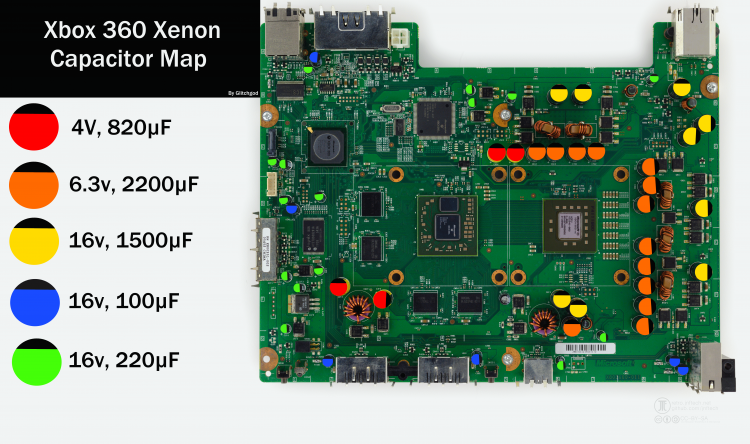
The motherboard used in beta XDKs and the finalized launch models. It has a 90 nm Waternoose CPU, 90 nm Y1 GPU, and 90 nm Edifis eDRAM. Commonly has leaky 16v 1500µF capacitors, leaky 6.3v capacitors, and unreliable GPUs. Some Xenons sent into Microsoft for RROD repair were either turned into an Elpis or received a revised 90 nm Y1 GPU with high Tg underfill, both of which had significantly improved reliability over the original 2005-2007 Y1 chips.
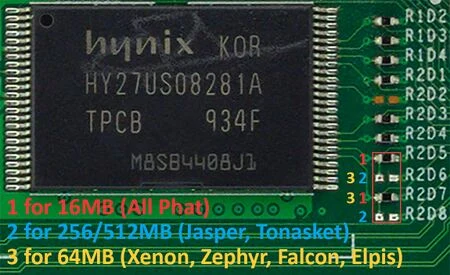
Retail Xenons came with a 16 MB NAND flash chip, whereas non-retail consoles came with a 64 MB NAND flash.
Part Number: X803600
Images
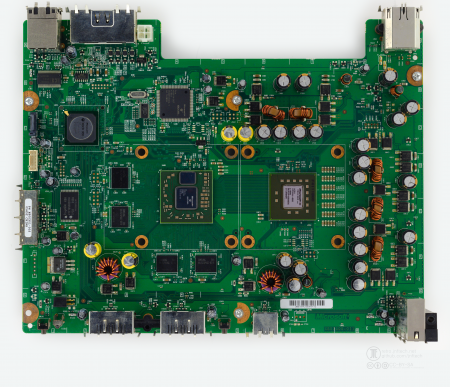
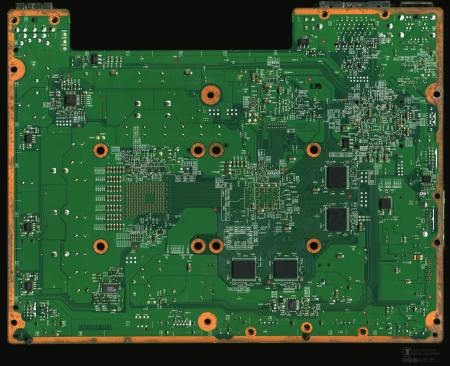
Schematics
Boardviews
NAND Strapping
Capacitor Map
Elpis
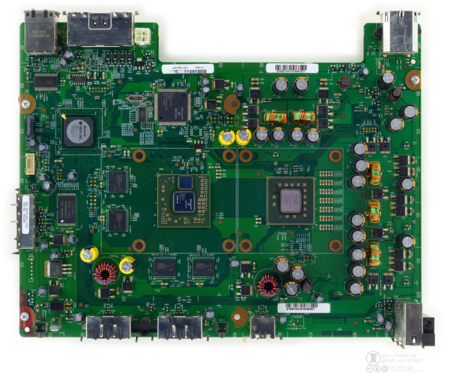
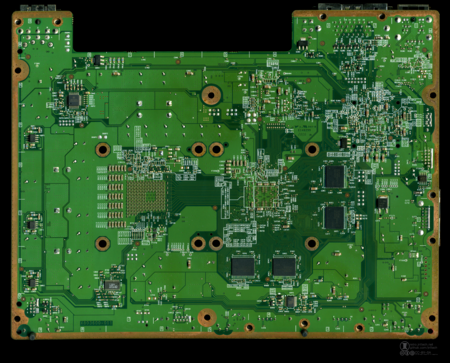
Officially refurbished Xenon with an Elpis GPU, which essentially is a modified Rhea to work with a Xenon. These boards are known to be reliable, but still suffer from the Xenon's capacitor problem.
Part number is the same as the original Xenon as the boards were simply reworked.
Images
Schematics
Refer to the Xenon schematics, as they are the same PCB.
Boardviews
Refer to the retail Xenon boardview, as they are the same PCB.
NAND Strapping
Zephyr
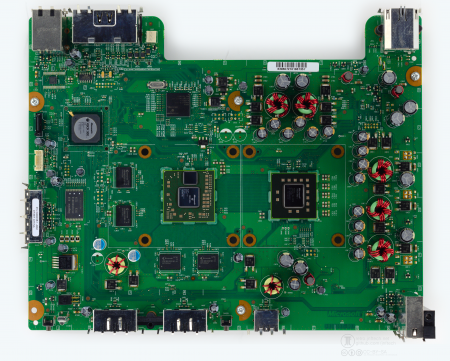
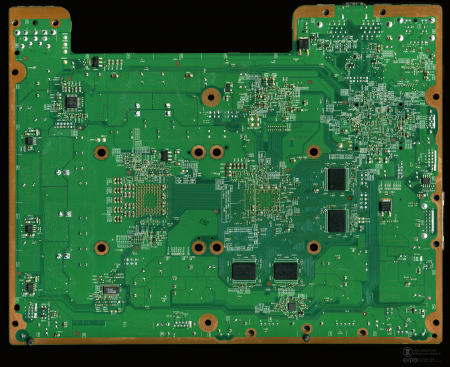
Relatively significant motherboard redesign that made the motherboard much cheaper to manufacture while adding HDMI support. It first appeared in late 2006. The encoder/analog IC (Ana) and clock generator from the Xenon were integrated in a new HANA chip. NAND Flash configuration is the same as the Xenon. The Zephyr also features the newer DD3 90nm CPUs and B/C versions feature the newer Y2/Rhea GPUs respectively. The Zephyr_B's Y2 GPU still had the original eDRAM but with a shrunken GPU die due to manufacturing optmizations, whereas the Zephyr_C's Rhea GPU had a redesigned eDRAM codenamed Styx-90. The Zephyr_B first appeared in early 2007, but the Zephyr_C shortly followed around mid-2007.
Zephyr_A Part Number: X810385
Zephyr_B/C Part Number: X810387
Images
Zephyr_C
Schematics
Boardviews
Retail Zephyr_A (90 nm Y1 GPU)
Retail Zephyr_B/C (90 nm Y2 or Rhea GPU)
NAND Strapping
Falcon
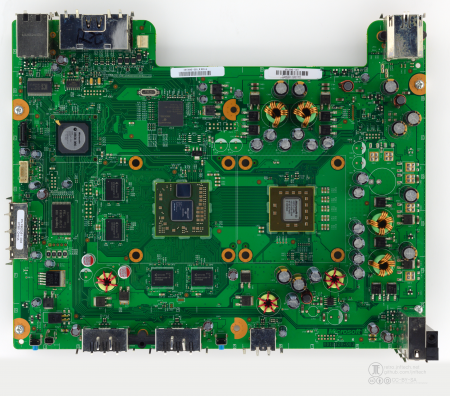
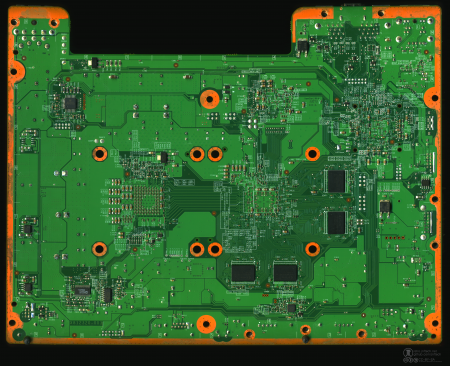
First motherboard to feature a 65 nm Loki CPU while being slightly further simplified, like having a cheaper power delivery system (CPU Core voltage is two phases instead of three, for example). It first appeared in late 2007 consoles. Mid to late 2008 Falcons also came with reliable Rhea GPUs (came with a higher Tg underfill) and 4x128MB RAM configurations instead of the previous 8x64MB. The reliable GPUs were standardized in consoles made or serviced around June of 2008. NAND Flash configurations are the same as the Xenon and Zephyr.
There are also versions of this board called "Opus". They are essentially just Falcons but used as motherboard replacements for refurbished Xenons. As such, they don't have an HDMI port. In fact, the AV port on the Opus was only used for it and is different from the Xenon's AV connector.
Part number: X812320
Images
Schematics
Boardviews
NAND Strapping
Jasper
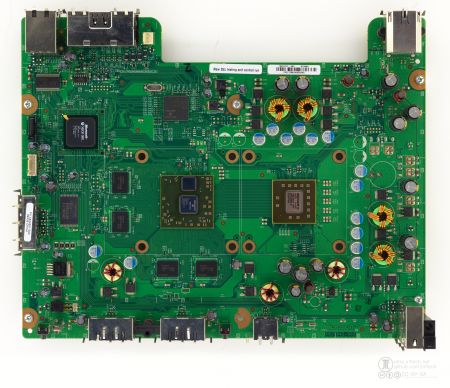
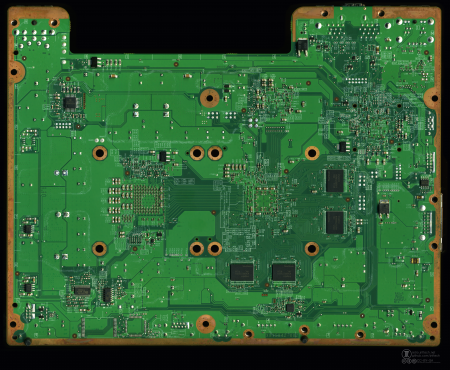
First motherboard to shrink the GPU to the 65 nm Zeus, matching with the CPU. It was first seen in late 2008 consoles. It came with an updated south bridge that supported "big block" 256 MB and 512 MB NAND flash chips with a built in user accessible memory unit, and those bigger flash chips were featured in the "Xbox 360 Arcade" retail configurations. Some Jasper motherboards produced in July 2009 also came with Kronos GPUs, which shrunk the eDRAM to also be 65 nm, called Styx-65. Some of these motherboards also came with an updated CB bootloader that patched the SMC (or "JTAG") Hack.
Most of these motherboards are known to be reliable, but some may come with leaky 16v 1500 µF Sanyo capacitors.
Part Number: X815842
Images
Schematics
Schematics. Includes "Panda" integrated memory unit, using an additional NAND + USB interface as opposed to the final Jasper solution combined with main NAND.
Boardviews
NAND Strapping
Tonasket
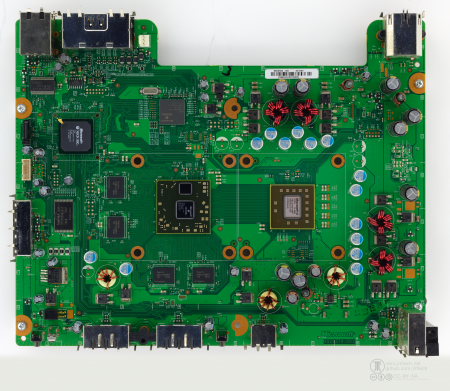
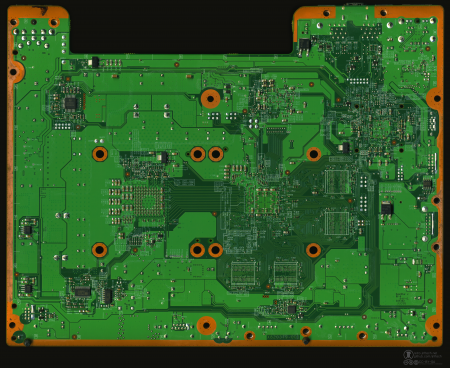
Also (incorrectly) known as "Jasper Kronos" or by the GPU name, "Kronos". It was first spotted in late 2009 consoles. It is a minor PCB revision of the Jasper, but all of the GPUs on this board are the Kronos revision with a shrunken 65 nm Styx-65 eDRAM. All versions of this motherboard are also known to be reliable. NAND flash configurations on the Tonasket are the same as the Jasper, except for the 256 MB config not used anymore. All of these motherboards are patched against the SMC Hack.
This motherboard is usually referred to as the most reliable revision.
Part Number: X820379
Images
Schematics
Boardviews
NAND Strapping
Xbox 360 S
Trinity
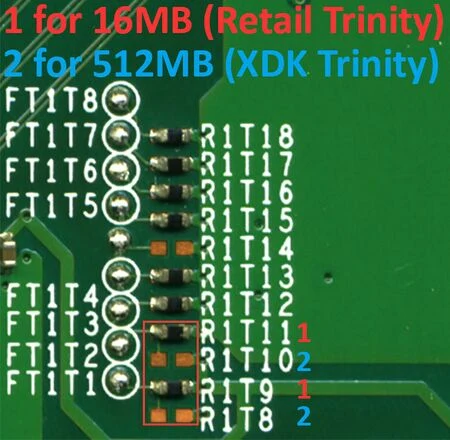
Significant motherboard redesign used for the launch models of the Xbox 360 S. It combines the CPU and GPU into one 45 nm die while still using the 65 nm Styx-65 EDRAM. The name of the new combined chip was Vejle, while the codename before the chip was finalized was Valhalla. It has the same flash configs as the Jasper & Tonasket while also being decently reliable. XDK Trinity consoles came with a "big block" 512 MB NAND instead of 64 MB. Retail 4 GB SKUs with this motherboard came with an internal 4 GB Memory Unit add-on.
Part Number: X850590
Images
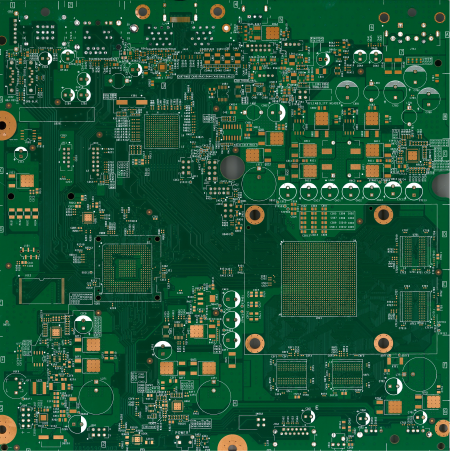
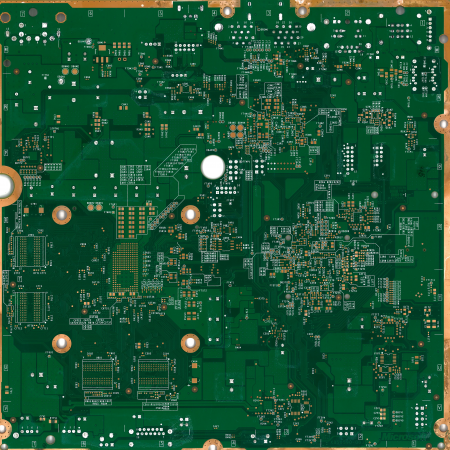
Retail (factory-fitted HDD model - note the lack of MUPort connector in area D1, just above the NAND)
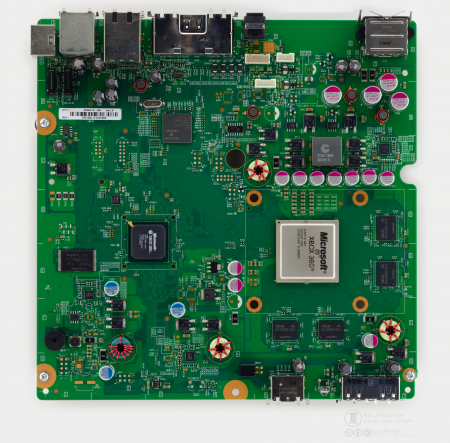
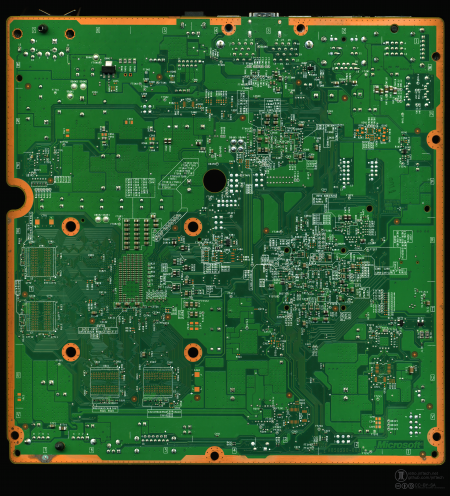
Unpopulated
Schematics
Boardviews
While this isn't a boardview for retail systems, it can still be referenced due to the layout being extremely similar. The only major differences are that it's a six layer motherboard, the RAM has extra traces for 1 GB of memory, and debug traces for the processor.
NAND Strapping
Corona
Also known (incorrectly) as "Corona V1 (16MB)" or "Corona V2 (4 GB)"
First appeared in mid-2011 S consoles. It has many similarities to Trinity, but slightly simplified with a new south bridge that can support on-board 4 GB NANDs. The new south bridge integrated the Ethernet PHY and HANA IC into it. It is also reliable. 4GB is implemented via a Hynix TSOP NAND + Phison PS700 controller.
Part Number: X857330
Images
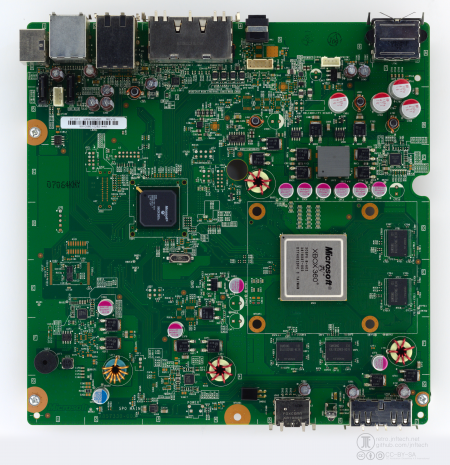
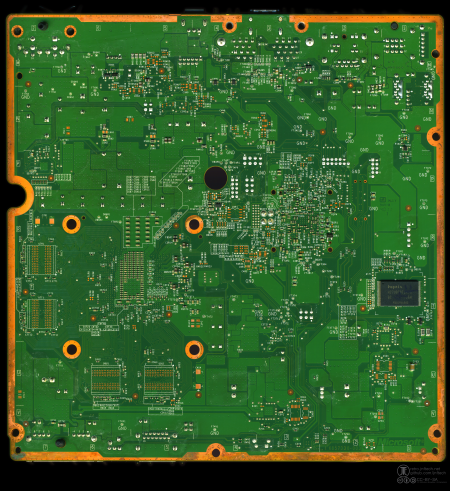
Corona 4 GB (note the new NAND on the back, and the small DFN package flash controller chip in area D1 where the 16 MB NAND would be)
Schematics
Boardviews
NAND Strapping
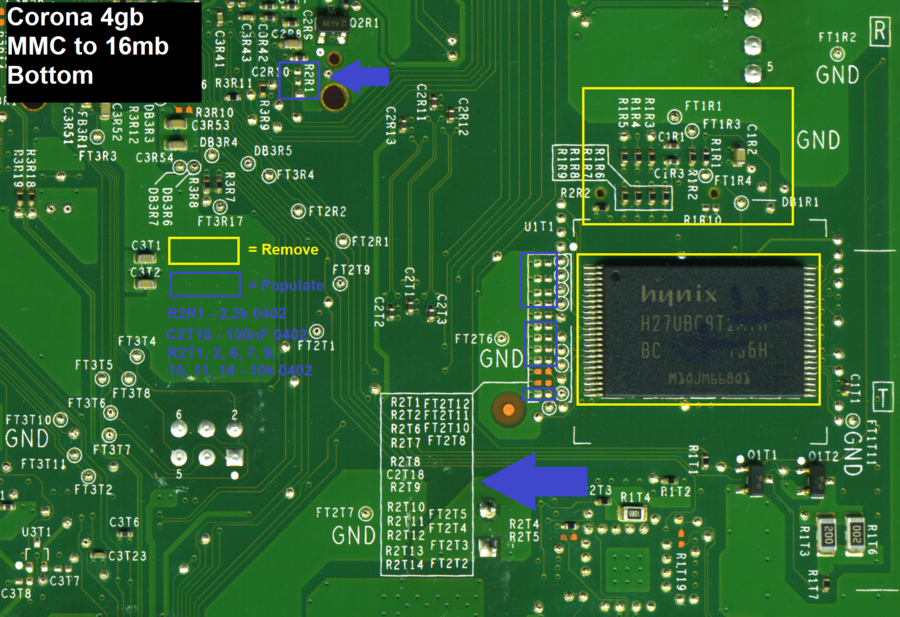
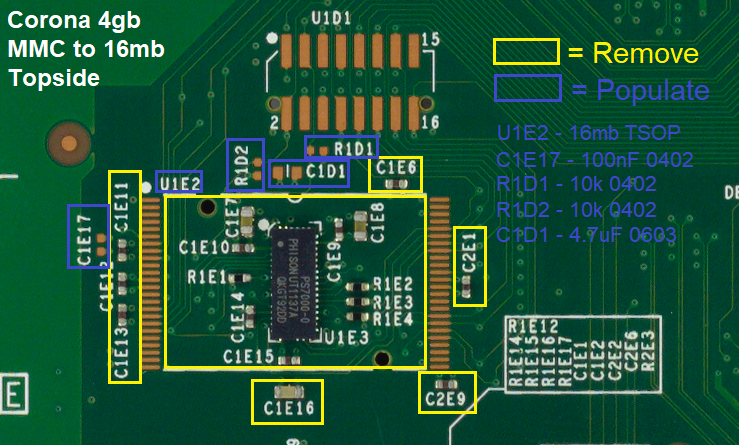
Visual guide for swapping between a 4 GB and 16 MB flash chip:
Waitsburg
Also known (incorrectly) as "Corona V3 (16MB)" or "Corona V4 (4 GB)"
First appeared in early 2012 S consoles. CPU_POST traces have been removed. 4 GB versions of this board also came with a BGA eMMC instead of the Hynix TSOP NAND + Phison PS700 that was previously on the Corona. It's otherwise exactly the same as the Corona. The 4GB eMMC can be unreliable, but it is otherwise reliable.
Part Number: X862605
Images
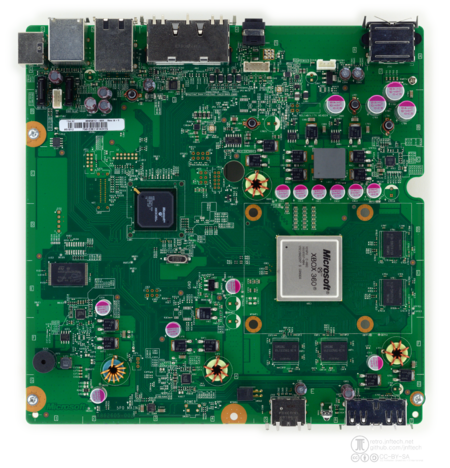
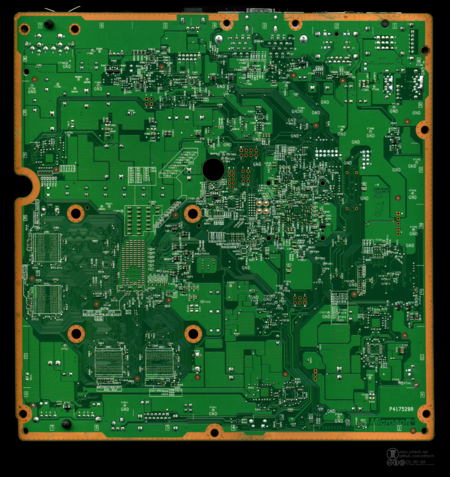
Waitsburg 16 MB (note the TSOP NAND chip in area D1, with the outline for the BGA eMMC barely visible under it)
Schematics
Boardviews
NAND Strapping
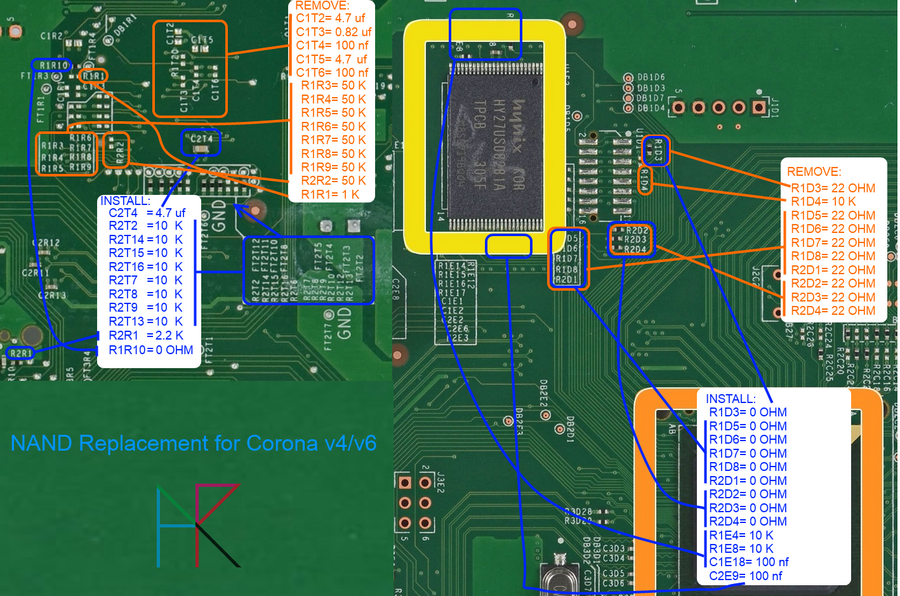
Visual guide for swapping between a 4 GB and 16 MB flash chip:
Xbox 360 E
Stingray
Also known (incorrectly) as "Corona V5 (16MB)" or "Corona V6 (4 GB)"
Launch model Xbox 360 E motherboard. Very similar to Waitsburg, but has a single barrel power supply connector and less rear I/O. The components for tilt detection and front panel button chimes are also removed, but the pads are still present.
Part Number: X854326
Images
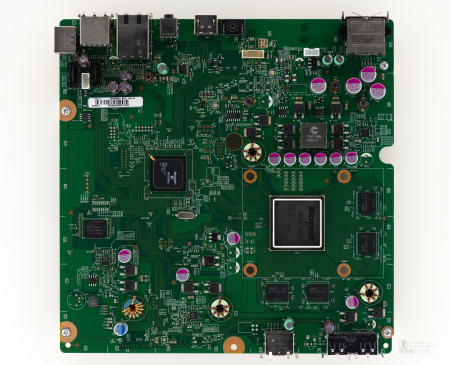
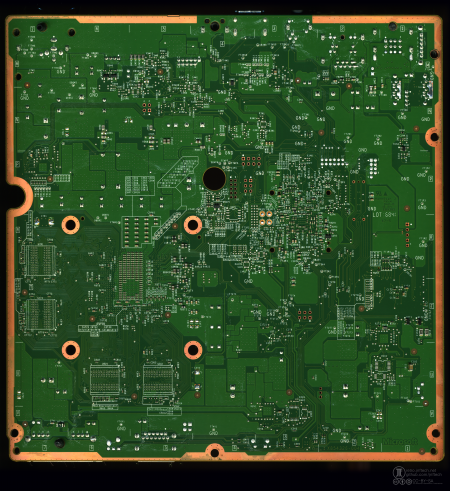
Stingray 4 GB
Schematics
Boardviews
NAND Strapping
Same as Waitsburg.
Barracuda (Winchester)
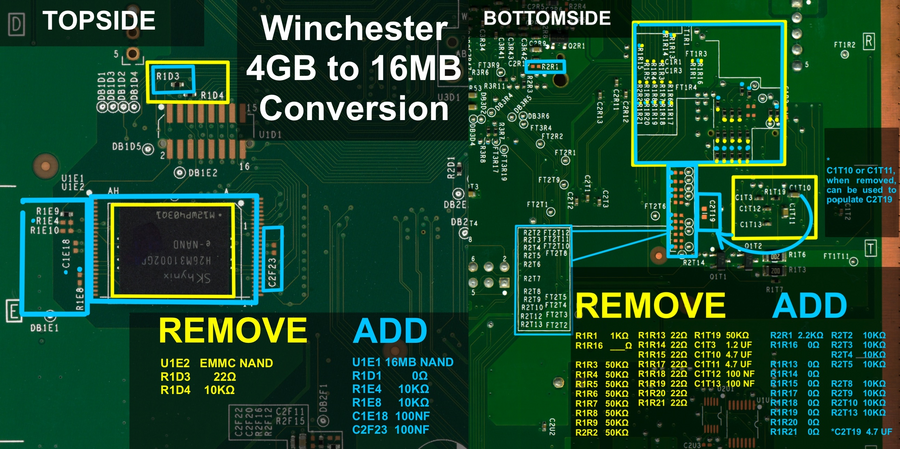
Kernel software still targets the unreleased "Winchester", the name the community originally guessed for this board. New XCGPU and a vastly more simplified layout same KSB south bridge that was first featured on the Corona, and has the same NAND types as Waitsburg/Stingray. This motherboard first appeared in Xbox 360 Es in late 2014, and is also very reliable.
The new Oban XCGPU integrated the eDRAM into the main die, shrunk the manufacturing process to 32 nm, and patched the "Reset Glitch Hack" by disabling the PLL & EXT_CLK pins on the CPU that could be utilized for slowing it down, in addition to disabling POST_OUT, and filtering the reset pin. While there are alternate methods of getting resetting and CPU slowdown from other places, POST is an inherent requirement for RGH, so another method would need to be found in order to achieve a hardware hack for this model.
Part Number: X879957
Images
Barracuda 4 GB
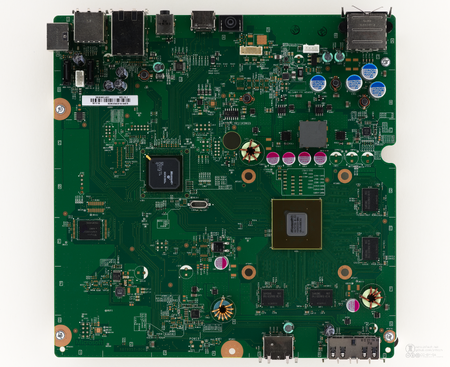
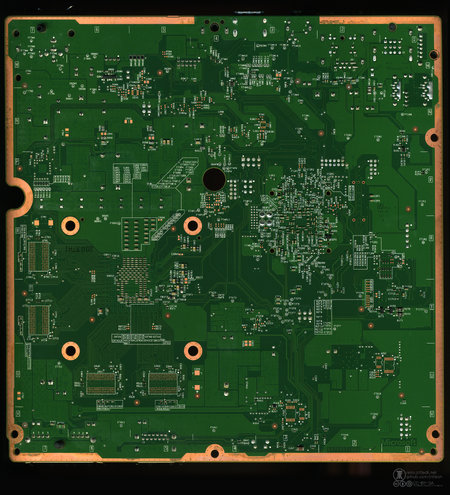
Unpopulated
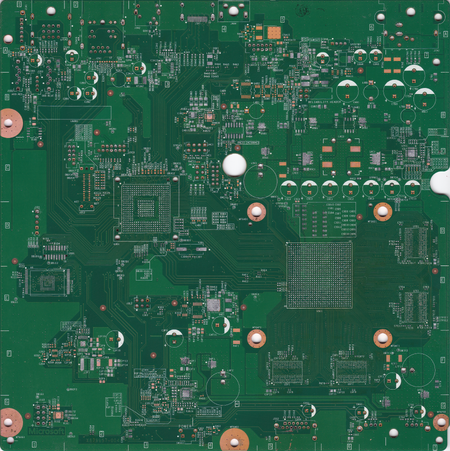
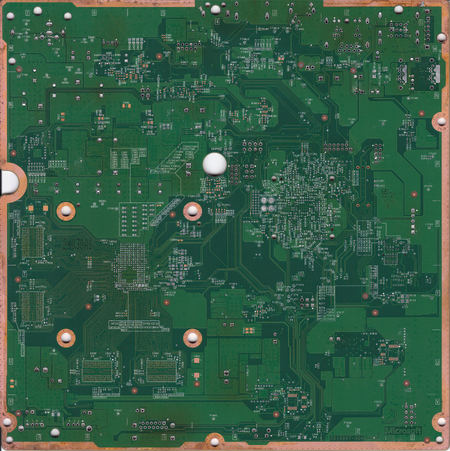
Schematics
NAND Strapping
Visual guide for swapping between a 4 GB and 16 MB flash chip:
Schematic Notes
Allegro Viewer Downloads
Cadence Allegro Free Physical Viewer 16.6
This version is old enough to view the earlier "phat" motherboards, even the earliest Xenon revision.
Cadence Allegro Free Physical Viewer 22.1
While the S/E motherboards can be opened with this newer version of the software, the leaks of the "phat" .brd files can't be opened unless you are able to update them with the PCB Doctor application.